
Home / Resources / Patient rights

Patient guide · Last checked October 2026

Know Your Rights as a Patient in Nigeria

Patient guide · Last checked 11 October 2026

Know Your Rights as a Patient in Nigeria

Powered by Health Initiative

A smiling family of three in a hospital room
Powered by Health Initiative
Know Your Rights as a Patient in Nigeria · © 2026 Powered by Health Initiative02 / 12

01

Where your rights come from

Patients’ Bill of Rights

Launched on 31 July 2018. Developed by the Consumer Protection Council (now the FCCPC), the Federal Ministry of Health and other stakeholders.1,2

National Health Act 2014

The main federal health law. It covers your right to information, confidentiality, emergency treatment and to complain.3,4

Gunshot Act 2017

The Compulsory Treatment and Care for Victims of Gunshot Act requires hospitals to treat people with gunshot wounds.5

This guide is general information, not legal advice.

Powered by Health Initiative
Know Your Rights as a Patient in Nigeria · © 2026 Powered by Health Initiative03 / 12

02

Information and consent

Clear information

About your condition, treatment options, benefits, risks, costs and likely outcomes, in a language you understand.

National Health Act s.23

Take part in decisions

You can take part in planning your treatment and in decisions about your care.

Patients’ Bill of Rights

Refuse care

You can refuse care after you have been told what refusing could mean for you.

National Health Act s.23

Research

You can agree or decline to take part in research, experimental procedures or clinical trials.

Patients’ Bill of Rights
Powered by Health Initiative
Know Your Rights as a Patient in Nigeria · © 2026 Powered by Health Initiative04 / 12
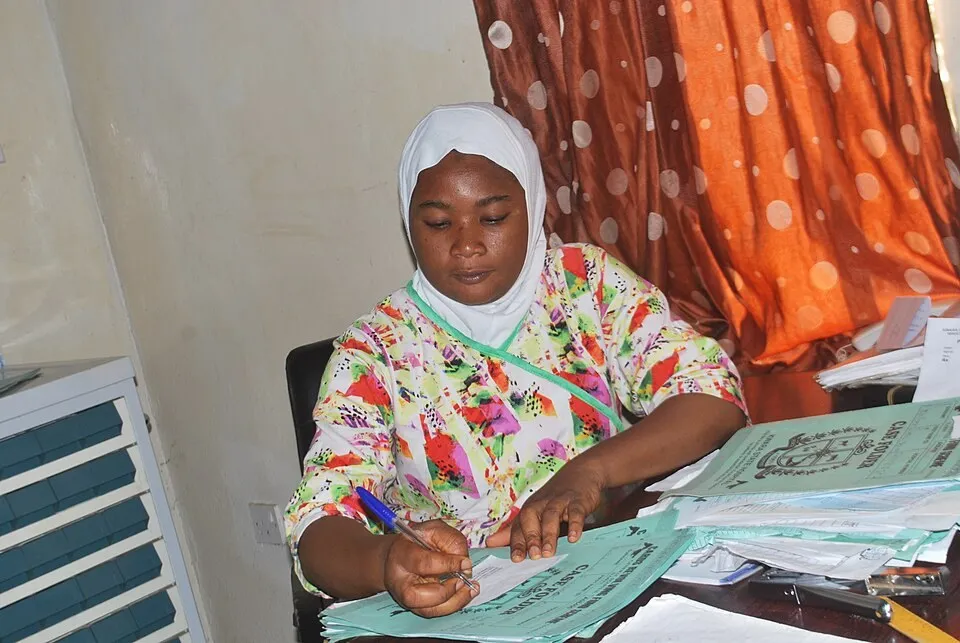
A Nigerian health worker writing in patient records

03

Costs, records and privacy

Costs

You should be told the cost, or an estimate, of your treatment and receive a clear, itemised bill.

Records and staff

You can access your records, information on the services offered, and the identity and qualifications of the staff treating you.

Confidentiality

Your health information is confidential. It can be shared only in limited cases, such as with your written consent, by court order or law, or where keeping it private would seriously threaten public health.4

Powered by Health Initiative
Know Your Rights as a Patient in Nigeria · © 2026 Powered by Health Initiative05 / 12

04

Respect and safe care

Dignity

You must be treated with respect, whatever your gender, religion, ethnicity, location, disability or income, and even if you are accused of a crime.

A safe place

Care in a clean, safe and secure environment, and equal quality of care for people with disabilities.

Visitors

You can receive visitors, including for religious purposes, in line with the facility’s rules.

Continuity of care

You should be told if the professional caring for you will stop, and be handed over safely.

Wishes at death

Your wishes, or your next of kin’s, should be respected as far as the law allows, including cultural and religious preferences.

Complaints

You can raise concerns about the service or staff, including abuse.

National Health Act s.30
Powered by Health Initiative
Know Your Rights as a Patient in Nigeria · © 2026 Powered by Health Initiative06 / 12
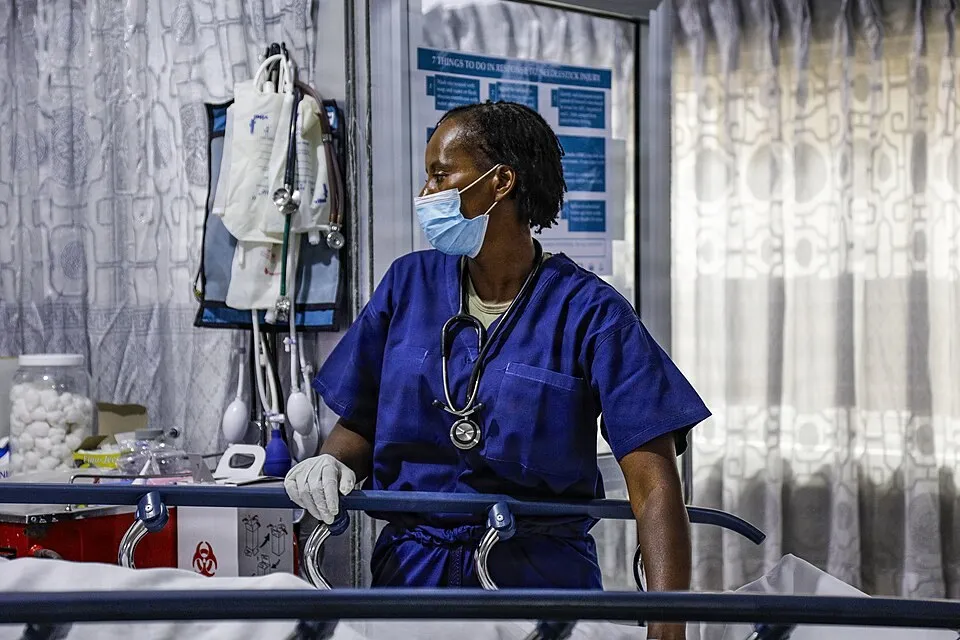
A nurse in an intensive care unit

05

In an emergency

112

Free national emergency line for medical emergencies, run by NEMSAS. Many states also have their own numbers.6

  • A health worker or facility must not refuse you emergency treatment for any reason. Breaking this rule can lead to a fine of ₦100,000, up to six months in prison, or both.4
  • Emergency care should come before cost, payment and police requirements.1
  • Hospitals must treat people with gunshot wounds, with or without police clearance.5
  • You are still expected to pay for the care afterwards.1
Powered by Health Initiative
Know Your Rights as a Patient in Nigeria · © 2026 Powered by Health Initiative07 / 12

06

Your responsibilities

  • Give a full and honest medical history, including any medicines you take.
  • Ask questions until you understand your treatment plan.
  • Tell staff about any changes during or after treatment.
  • Pay your bills or arrange payment. In an emergency, show that you intend to pay.
  • Follow the facility’s rules and your care team’s advice.
  • Treat other patients and staff with respect.
  • Use the facility’s complaint process first, and give enough detail.
  • Ask what will happen to your care if your doctor is unavailable.

From the Patients’ Bill of Rights.1

Powered by Health Initiative
Know Your Rights as a Patient in Nigeria · © 2026 Powered by Health Initiative08 / 12

07

How to complain

Step 1

The facility

Raise it with the facility first. Every facility must display how to complain. In public hospitals, ask for SERVICOM or customer care. In a private facility, you can complain to the head of the facility.

Step 2

The professional council

If you are not satisfied, report the professional to their council: MDCN for doctors and dentists, NMCN for nurses and midwives.

Step 3

The FCCPC

If it is still not resolved, complain to the Federal Competition and Consumer Protection Commission. It is free.

For health insurance problems, contact your HMO, an NHIA office or the NHIA call centre.11 Sources: 1, 4, 7, 8, 9, 10, 12.

Powered by Health Initiative
Know Your Rights as a Patient in Nigeria · © 2026 Powered by Health Initiative09 / 12

08

Before you complain

Write down

  • What happened, with dates and times
  • Names or roles of the staff involved
  • The name and address of the facility
  • Any amount of money involved
  • What you want done to put it right

Keep copies of

  • Receipts and bills
  • Prescriptions and test results
  • Letters, messages and emails
  • Any reply from the facility

Facilities must accept and acknowledge every complaint. Ask for a reference number or written acknowledgement.4

Powered by Health Initiative
Know Your Rights as a Patient in Nigeria · © 2026 Powered by Health Initiative10 / 12

09

Who to contact

Doctors and dentistsMedical and Dental Council of Nigeria (MDCN)Online complaint form on mdcn.gov.ng, with a sworn affidavit. Email info@mdcn.gov.ng
Nurses and midwivesNursing and Midwifery Council of Nigeria (NMCN)Write to the Director of Nursing Services at your State Ministry of Health. In the FCT, the Department of Health and Social Services, FCDA. Email info@nmcn.gov.ng
Services and billsFederal Competition and Consumer Protection Commission (FCCPC)Online portal or FCCPC Consumer Complaint App, email, letter or walk-in, at fccpc.gov.ng. Free. Most cases take 1 to 45 days.
Health insuranceNational Health Insurance Authority (NHIA)Your HMO, an NHIA office or the call centre. info@nhia.gov.ng, +234 805 928 2008, +234 806 574 4100
EmergenciesNEMSASCall 112
Powered by Health Initiative
Know Your Rights as a Patient in Nigeria · © 2026 Powered by Health Initiative11 / 12

10

How PBHI can help

PBH Solutions, our patient support service, helps people find their way through the health system and understand their rights as patients.

  • Ask Ayani, our assistant, on our website
  • Book a consultation at poweredbyhealthinitiative.com
  • Email info@poweredbyhealthinitiative.com

We cannot give legal advice or act for you in a complaint. In an emergency, call 112.

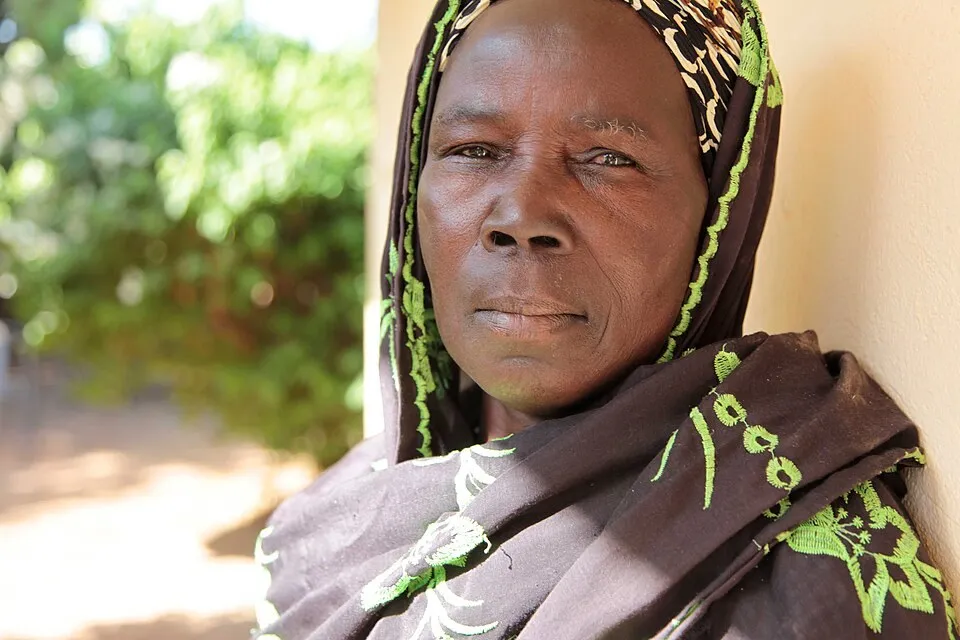
Portrait of an older woman in a headscarf
Powered by Health Initiative
Know Your Rights as a Patient in Nigeria · © 2026 Powered by Health Initiative12 / 12

11

Sources

  1. Consumer Protection Council and Federal Ministry of Health. Patients’ Bill of Rights. 2018 (copy hosted by Public Health Nigeria). https://www.publichealth.com.ng/wp-content/uploads/2021/01/patient-bill-of-rights-in-nigeria-PDF.pdf
  2. Delta State University Teaching Hospital. Patient rights and responsibilities (launch date of the Bill). https://delsuth.org.ng/patients/patient-right-and-responsibilities/
  3. Federal Teaching Hospital Lokoja. Patients’ Bill of Rights, with National Health Act references. https://fthlokoja.gov.ng/patients-and-visitors/patients-bill-of-right
  4. National Health Act 2014 (sections 20, 23, 26 and 30). https://p4h.world/app/uploads/2024/06/Nigeria_National-Health-Act-2014.x80726.pdf
  5. Compulsory Treatment and Care for Victims of Gunshot Act 2017. https://www.judy.legal/legislation/akn/ng/act/2017/ctcgv
  6. Voice of Nigeria. NEMSAS reaffirms 112 emergency medical line. August 2026. https://von.gov.ng/nemsas-reaffirms-112-emergency-medical-line/
  7. FCCPC. Complaint handling. https://fccpc.gov.ng/consumers/complaint-handling/
  8. FCCPC. Frequently asked questions. https://fccpc.gov.ng/about-us/faqs/
  9. Medical and Dental Council of Nigeria. Complaint against a doctor. https://www.mdcn.gov.ng/page/discipline/tribunal-directions
  10. Nursing and Midwifery Council of Nigeria. Reporting a nurse or midwife. http://www.nmcn.gov.ng/reporting.html
  11. National Health Insurance Authority. FAQ. https://www.nhia.gov.ng/faq/
  12. Lagos University Teaching Hospital. SERVICOM complaints. https://servicom.luth.gov.ng/submit-complaint

Last checked 11 October 2026. © 2026 Powered by Health Initiative. You may share this guide for free, non-commercial use with credit to PBHI.

Use the arrows, your keyboard or swipe to move through the slides. On a phone, the text version below is easier to read.

Text version

Download PDF

Last checked 11 October 2026. This guide is general information, not legal advice.

Where your rights come from

Nigeria’s Patients’ Bill of Rights was launched on 31 July 2018. It was developed by the Consumer Protection Council (now the Federal Competition and Consumer Protection Commission, FCCPC), the Federal Ministry of Health and other stakeholders. It brings together rights found in laws such as the National Health Act 2014. The Compulsory Treatment and Care for Victims of Gunshot Act 2017 adds a duty to treat people with gunshot wounds.

Information and consent

  • Clear information: about your condition, treatment options, benefits, risks, costs and likely outcomes, in a language you understand (National Health Act, section 23).
  • Take part in decisions: you can take part in planning your treatment.
  • Refuse care: you can refuse care after you have been told what refusing could mean for you.
  • Research: you can agree or decline to take part in research, experimental procedures or clinical trials.

Costs, records and privacy

  • Costs: you should be told the cost, or an estimate, of your treatment and receive a clear, itemised bill.
  • Records and staff: you can access your records, information on the services offered, and the identity and qualifications of the staff treating you.
  • Confidentiality: your health information is confidential (National Health Act, section 26). It can be shared only in limited cases, such as with your written consent, by court order or law, or where keeping it private would seriously threaten public health.

Respect and safe care

  • You must be treated with respect, whatever your gender, religion, ethnicity, location, disability or income, and even if you are accused of a crime.
  • You have the right to care in a clean, safe and secure environment, and to equal quality of care if you have a disability.
  • You can receive visitors, including for religious purposes, in line with the facility’s rules.
  • You should be told if the professional caring for you will stop, and be handed over safely.
  • Your wishes, or your next of kin’s, should be respected at the time of death as far as the law allows.
  • You can raise concerns about the service or staff, including abuse (National Health Act, section 30).

In an emergency

Call 112, the free national emergency line run by NEMSAS. Many states also have their own numbers.

  • A health worker or facility must not refuse you emergency treatment for any reason (National Health Act, section 20). Breaking this rule can lead to a fine of ₦100,000, up to six months in prison, or both.
  • Emergency care should come before cost, payment and police requirements.
  • Hospitals must treat people with gunshot wounds, with or without police clearance.
  • You are still expected to pay for the care afterwards.

Your responsibilities

  • Give a full and honest medical history, including any medicines you take.
  • Ask questions until you understand your treatment plan, and tell staff about any changes.
  • Pay your bills or arrange payment. In an emergency, show that you intend to pay.
  • Follow the facility’s rules and your care team’s advice, and treat other patients and staff with respect.
  • Use the facility’s complaint process first, and give enough detail.

How to complain

  1. The facility. Raise it with the facility first. Every facility must display how to complain. In public hospitals, ask for SERVICOM or customer care. In a private facility, you can complain to the head of the facility.
  2. The professional council. If you are not satisfied, report the professional to the Medical and Dental Council of Nigeria (doctors and dentists) or the Nursing and Midwifery Council of Nigeria (nurses and midwives).
  3. The FCCPC. If it is still not resolved, complain to the FCCPC online, by app, email, letter or in person. It is free, and most cases take between 1 and 45 days.

For health insurance problems, contact your HMO, an NHIA office or the NHIA call centre (info@nhia.gov.ng, +234 805 928 2008, +234 806 574 4100).

Before you complain

Write down what happened, with dates, times and the names or roles of staff involved, the facility’s name and address, any amount of money involved and what you want done. Keep copies of receipts, bills, prescriptions, test results and messages. Facilities must accept and acknowledge every complaint, so ask for a reference number or written acknowledgement.

How PBHI can help

PBH Solutions, our patient support service, helps people find their way through the health system and understand their rights as patients. Ask Ayani on this website, book a consultation or email info@poweredbyhealthinitiative.com. We cannot give legal advice or act for you in a complaint.

Sources

  1. Consumer Protection Council and Federal Ministry of Health. Patients’ Bill of Rights. 2018 (copy hosted by Public Health Nigeria). https://www.publichealth.com.ng/wp-content/uploads/2021/01/patient-bill-of-rights-in-nigeria-PDF.pdf
  2. Delta State University Teaching Hospital. Patient rights and responsibilities (launch date of the Bill). https://delsuth.org.ng/patients/patient-right-and-responsibilities/
  3. Federal Teaching Hospital Lokoja. Patients’ Bill of Rights, with National Health Act references. https://fthlokoja.gov.ng/patients-and-visitors/patients-bill-of-right
  4. National Health Act 2014 (sections 20, 23, 26 and 30). https://p4h.world/app/uploads/2024/06/Nigeria_National-Health-Act-2014.x80726.pdf
  5. Compulsory Treatment and Care for Victims of Gunshot Act 2017. https://www.judy.legal/legislation/akn/ng/act/2017/ctcgv
  6. Voice of Nigeria. NEMSAS reaffirms 112 emergency medical line. August 2026. https://von.gov.ng/nemsas-reaffirms-112-emergency-medical-line/
  7. FCCPC. Complaint handling. https://fccpc.gov.ng/consumers/complaint-handling/
  8. FCCPC. Frequently asked questions. https://fccpc.gov.ng/about-us/faqs/
  9. Medical and Dental Council of Nigeria. Complaint against a doctor. https://www.mdcn.gov.ng/page/discipline/tribunal-directions
  10. Nursing and Midwifery Council of Nigeria. Reporting a nurse or midwife. http://www.nmcn.gov.ng/reporting.html
  11. National Health Insurance Authority. FAQ. https://www.nhia.gov.ng/faq/
  12. Lagos University Teaching Hospital. SERVICOM complaints. https://servicom.luth.gov.ng/submit-complaint

© 2026 Powered by Health Initiative. You may share this guide for free, non-commercial use with credit to PBHI.

Common questions

What are my rights as a patient in Nigeria?

Under the Patients’ Bill of Rights and the National Health Act 2014, you have the right to clear information in a language you understand, to take part in decisions and to refuse care, to know the cost of treatment and get an itemised bill, to access your records, to confidentiality, to respect and dignity, to a clean and safe environment, to emergency care and to complain.

Can a hospital refuse to treat me in an emergency?

No. Section 20 of the National Health Act says a health care provider, health worker or health establishment shall not refuse a person emergency medical treatment for any reason. Breaking this rule can lead to a fine of ₦100,000, up to six months in prison, or both. You are still expected to pay for the care afterwards.

Does a hospital need a police report to treat a gunshot wound?

No. The Compulsory Treatment and Care for Victims of Gunshot Act 2017 says every hospital in Nigeria, public or private, must receive a person with a gunshot wound for immediate and adequate treatment, with or without police clearance.

What is the emergency number in Nigeria?

Call 112. It is the free national emergency line for medical emergencies, run by the National Emergency Medical Service and Ambulance System (NEMSAS). Many states also have their own emergency numbers.

Can I see my medical records?

Yes. The Patients’ Bill of Rights gives you the right to access your records, information about the services offered, and the identity and qualifications of the staff treating you.

Can a hospital share my medical information?

Only in limited cases. Section 26 of the National Health Act says all information about your health, treatment or stay in a health facility is confidential. It may be shared with your written consent, by court order or law, at the request of a parent or guardian for a child, or where keeping it private would seriously threaten public health.

Can I refuse treatment?

Yes. You can refuse care after you have been told what refusing could mean for you. You can also agree or decline to take part in research, experimental procedures or clinical trials.

How do I complain about a hospital in Nigeria?

Raise it with the facility first. Every facility must display how to complain, and many public hospitals have a SERVICOM desk. If you are not satisfied, report the professional to their council, then complain to the FCCPC, which is free.

How do I complain about a doctor in Nigeria?

Use the Medical and Dental Council of Nigeria (MDCN) online complaint form at mdcn.gov.ng. You will need to upload a sworn affidavit. You can also email info@mdcn.gov.ng.

How do I complain about a nurse or midwife?

Write to the Director of Nursing Services at the Ministry of Health in the state where it happened. In the FCT, write to the Department of Health and Social Services, Federal Capital Development Authority (FCDA). The Nursing and Midwifery Council of Nigeria can be reached at info@nmcn.gov.ng.

A smiling family of three in a hospital room

Need help with a health service?

PBH Solutions helps people find their way through the health system and understand their rights as patients.