
Home / Resources / PBHI HSS-MEL

Concept note · October 2026

The PBHI Health System Strengthening Monitoring, Evaluation and Learning Framework (PBHI HSS-MEL)

A capability-based approach to assessing and improving district primary health care in sub-Saharan Africa

Concept note · Version 1.0 · October 2026

The PBHI Health System Strengthening Monitoring, Evaluation and Learning Framework

PBHI HSS-MEL

A capability-based approach to assessing and improving district primary health care in sub-Saharan Africa

Developed and owned by Powered by Health Initiative

Three nurses preparing medicines on a hospital ward
Powered by Health Initiative
PBHI HSS-MEL Framework · Concept note · © 2026 Powered by Health Initiative02 / 14

01

The problem

What is usually counted

  • Health workers trained
  • Facilities built
  • Consultations recorded

What it does not show

  • Can people reach care?
  • Is the care good quality?
  • Do people stay in care?
  • Are they protected from financial hardship?

New facilities change little if they lack staff, essential medicines, electricity or referral links.

Powered by Health Initiative
PBHI HSS-MEL Framework · Concept note · © 2026 Powered by Health Initiative03 / 14

02

What the framework does

1

Measurement

Establish the current state and performance of a health system.

2

Evaluation

Determine whether, how and why capabilities and outcomes change.

3

Decision support

Turn findings into priorities, resource allocation, corrective action and accountability.

Powered by Health Initiative
PBHI HSS-MEL Framework · Concept note · © 2026 Powered by Health Initiative04 / 14
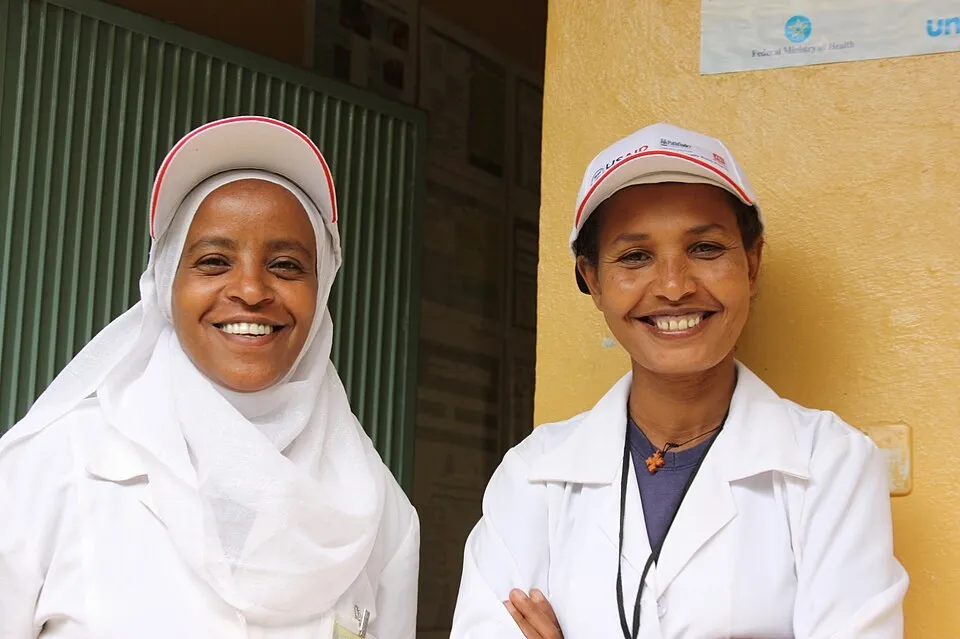
Two smiling community health workers in white coats

03

Where we start

District-level primary health care in sub-Saharan Africa, where PBHI already works with communities, facilities and health authorities.

Existing frameworks it builds on

  • WHO health system building blocks1
  • WHO health system performance assessment2,3
  • WHO and UNICEF primary health care measurement4
  • PHCPI Vital Signs Profiles5
  • OECD DAC evaluation criteria6
  • Systems thinking for health systems7
Powered by Health Initiative
PBHI HSS-MEL Framework · Concept note · © 2026 Powered by Health Initiative05 / 14

04 · Intended contribution

Linking the measurement of system capabilities with the diagnosis of bottlenecks and the mechanisms behind them.

Whether this adds value beyond existing tools will be tested through a structured review before any claim of novelty is made.

Powered by Health Initiative
PBHI HSS-MEL Framework · Concept note · © 2026 Powered by Health Initiative06 / 14

05

The six-layer model

1ContextPolitical economy, demographics, disease burden, geography, climate, conflict, fiscal space
2Resources and structuresFinancing, workforce, facilities, medicines, technologies, laws, information systems
3Functional capabilitiesGovernance, coordination, purchasing, regulation, supply chains, adaptive capacity
4Service performanceAccess, quality, safety, continuity, integration, responsiveness, efficiency
5Goals and outcomesHealth improvement, coverage, financial protection, equity, trust, people-centred care
6Learning and adaptationPerformance review, causal investigation, corrective action, resource reallocation

Cross-cutting

  • Equity
  • Resilience
  • Sustainability
  • Accountability
  • Integration

The links between layers are hypotheses to be tested, not fixed pathways that every system follows.

Powered by Health Initiative
PBHI HSS-MEL Framework · Concept note · © 2026 Powered by Health Initiative07 / 14

06

Example: essential medicines

Intervention

Improve procurement planning and stock monitoring

Capability change

Better demand forecasting and supply-chain responsiveness

Service change

Fewer stock-outs and more reliable access to essential medicines

Population benefit

Fewer treatment interruptions and better continuity of care

The pathway depends on

FinancingProduct qualityDistributionPrescribing practicePatient affordability
Powered by Health Initiative
PBHI HSS-MEL Framework · Concept note · © 2026 Powered by Health Initiative08 / 14

07

Eight core domains

D1

Governance and accountability

D2

Financing and financial protection

D3

Health workforce

D4

Service delivery and quality

D5

Medicines and health technologies

D6

Health information and digital systems

D7

Infrastructure and operational readiness

D8

Resilience and community engagement

Powered by Health Initiative
PBHI HSS-MEL Framework · Concept note · © 2026 Powered by Health Initiative09 / 14

08

Four tiers of indicators

Tier 1

Core

A small, standardised set for comparison

Tier 2

Domain

Detailed measures for programme management

Tier 3

Context-specific

Measures adapted to local priorities

Tier 4

Diagnostic and research

Mechanisms, interactions and causal pathways

Each indicator specifies

  • Definition and rationale
  • Data source and frequency
  • Disaggregation for equity
  • Quality requirements and limitations
  • The action a result should trigger

Existing data such as DHIS2 and facility and household surveys are reused wherever possible.

Powered by Health Initiative
PBHI HSS-MEL Framework · Concept note · © 2026 Powered by Health Initiative10 / 14

09

12-month development plan

Months 1 to 2

Evidence review

Scoping review and indicator crosswalk

Months 3 to 4

Design

Theory of change and causal pathways

Months 5 to 6

Consensus

Expert and community review, draft registry

Months 7 to 8

Operations

Field manual, data dictionary, templates

Months 9 to 11

Pilot

Testing in contrasting districts

Month 12

Consolidation

Pilot-tested version 1.0

Full validation across settings will take longer and will depend on partners, data access and funding.

Powered by Health Initiative
PBHI HSS-MEL Framework · Concept note · © 2026 Powered by Health Initiative11 / 14

10

How results will be reported

Level 1

Indicator values, trends and data quality

Level 2

Domain profiles, bottlenecks and inequalities

Level 3

A whole-system profile and priority actions

Results will be presented as profiles, not a single score, so that

  • strong results in one area do not hide failure in another
  • averages do not hide inequality
  • better data do not make a system look worse

The framework is for learning and improvement, not for penalising under-resourced systems.

Powered by Health Initiative
PBHI HSS-MEL Framework · Concept note · © 2026 Powered by Health Initiative12 / 14

11

Expected outputs

Technical framework

Conceptual model, indicator registry and data dictionary

Field toolkit

Assessment manual, collection tools and decision-support templates

Validation protocol

Pilot methods, adaptation rules and version control

Four planned papers

  1. Scoping review of existing frameworks
  2. Framework development study
  3. Pilot and validation study
  4. Applied evaluation
Powered by Health Initiative
PBHI HSS-MEL Framework · Concept note · © 2026 Powered by Health Initiative13 / 14

12

Work with us

PBHI leads and maintains the framework. We would like to work with ministries, district health teams, research partners, funders and implementing organisations to develop and test it. Contributions will be acknowledged in all outputs.

Email info@poweredbyhealthinitiative.com

Website www.poweredbyhealthinitiative.com

Suggested citation: Powered by Health Initiative. The PBHI HSS-MEL Framework: concept note. Version 1.0. Lagos: PBHI; 2026.

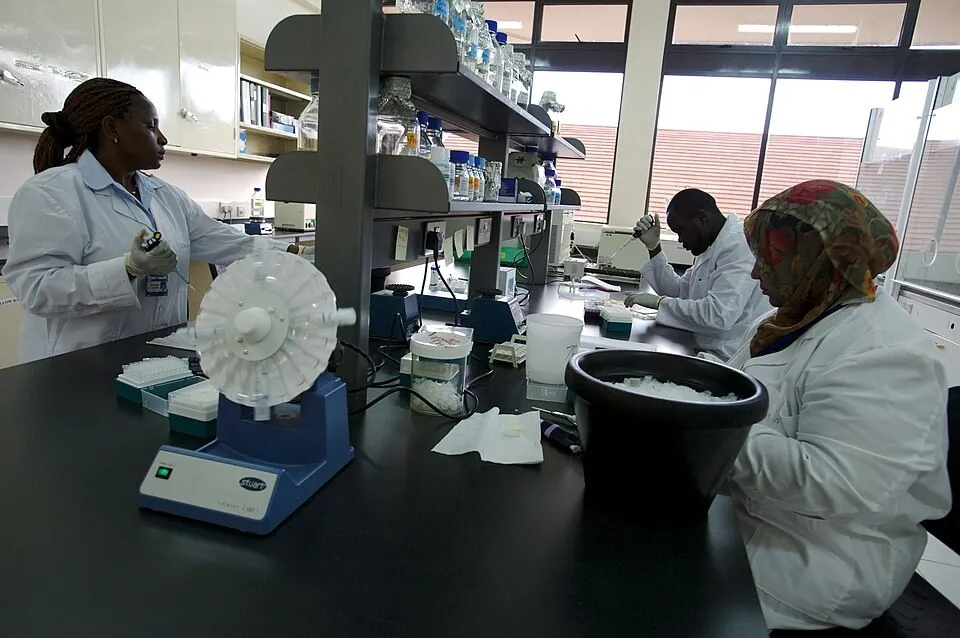
Scientists working in a laboratory
Powered by Health Initiative
PBHI HSS-MEL Framework · Concept note · © 2026 Powered by Health Initiative14 / 14

13

Sources

  1. WHO. Monitoring the building blocks of health systems: a handbook of indicators. 2010. https://iris.who.int/items/ecbd9a5a-538f-43a7-8050-d18073d51bd4
  2. WHO and European Observatory. Health system performance assessment: a framework for policy analysis. 2022. https://eurohealthobservatory.who.int/publications/i/health-system-performance-assessment-a-framework-for-policy-analysis
  3. European Observatory. Health system performance assessment: a renewed global framework. Policy Brief 80. 2023. https://eurohealthobservatory.who.int/publications/i/health-system-performance-assessment-a-renewed-global-framework-for-policy-making
  4. WHO and UNICEF. Primary health care measurement framework and indicators. 2022. https://www.who.int/publications/i/item/9789240044210
  5. Primary Health Care Performance Initiative. Vital Signs Profiles. https://www.improvingphc.org/vital-signs-profiles
  6. OECD DAC. Better criteria for better evaluation. 2019. https://www.oecd.org/en/publications/better-criteria-for-better-evaluation_15a9c26b-en.html
  7. Alliance for Health Policy and Systems Research. Systems thinking for health systems strengthening. 2026. https://ahpsr.who.int/newsroom/news/item/02-02-2026-systems-thinking-for-health-systems-strengthening-changing-the-frame

© 2026 Powered by Health Initiative. All rights reserved. This concept note is not yet a finished or validated instrument.

Use the arrows, your keyboard or swipe to move through the slides. On a phone, the text version below is easier to read.

Text version

Download PDF

The problem

Health system strengthening is often judged by what is invested or delivered: health workers trained, facilities built, consultations recorded. These figures matter, but they do not show whether people can reach care, receive good-quality care, stay in care or avoid financial hardship. New facilities change little if they lack staff, essential medicines, electricity or referral links.

What the framework does

PBHI is developing its own framework that connects three functions:

  • Measurement: the current state and performance of a health system.
  • Evaluation: whether, how and why capabilities and outcomes change.
  • Decision support: turning findings into priorities, resource allocation, corrective action and accountability.

We begin with district-level primary health care in sub-Saharan Africa, where PBHI already works with communities, facilities and health authorities. The framework builds on the WHO health system building blocks, the WHO health system performance assessment framework, the WHO and UNICEF primary health care measurement framework, PHCPI Vital Signs Profiles and the OECD DAC evaluation criteria, and treats health systems as complex and adaptive.

Intended contribution

The framework aims to link the measurement of system capabilities with the diagnosis of bottlenecks and the mechanisms behind them. Whether this adds value beyond existing tools will be tested through a structured review before any claim of novelty is made.

The six-layer model

  1. Context: political economy, demographics, disease burden, geography, climate, conflict and fiscal space.
  2. Resources and structures: financing, workforce, facilities, medicines, technologies, laws and information systems.
  3. Functional capabilities: governance, coordination, purchasing, regulation, supply chains and adaptive capacity.
  4. Service performance: access, quality, safety, continuity, integration, responsiveness and efficiency.
  5. Goals and outcomes: health improvement, coverage, financial protection, equity, trust and people-centred care.
  6. Learning and adaptation: performance review, causal investigation, corrective action and resource reallocation.

Equity, resilience, sustainability, accountability and integration run through every layer. The links between layers are hypotheses to be tested, not fixed pathways.

What we will measure

Eight domains: governance and accountability; financing and financial protection; health workforce; service delivery and quality; medicines and health technologies; health information and digital systems; infrastructure and operational readiness; and resilience and community engagement.

Four tiers of indicators: a core set for comparison; domain measures for programme management; context-specific measures for local priorities; and diagnostic measures for research. Every indicator has a full specification, and existing data such as DHIS2 and facility and household surveys are reused wherever possible.

12-month development plan

Evidence review (months 1 to 2), design (3 to 4), consensus (5 to 6), operations (7 to 8), pilot in contrasting districts (9 to 11) and consolidation into a pilot-tested version 1.0 (month 12). Full validation across settings will take longer and depend on partners, data access and funding.

How results will be reported

Results will be reported as indicator values, domain profiles and a whole-system profile, not a single score. This is so that strong results in one area do not hide failure in another, averages do not hide inequality, and better data do not make a system look worse. The framework is for learning and improvement, not for penalising under-resourced systems.

Expected outputs

  • A technical framework document, indicator registry and data dictionary
  • A field assessment manual, decision-support toolkit and validation protocol
  • Four planned papers: a scoping review, a framework development study, a pilot and validation study, and an applied evaluation

Sources

  1. WHO. Monitoring the building blocks of health systems: a handbook of indicators. 2010. https://iris.who.int/items/ecbd9a5a-538f-43a7-8050-d18073d51bd4
  2. WHO and European Observatory. Health system performance assessment: a framework for policy analysis. 2022. https://eurohealthobservatory.who.int/publications/i/health-system-performance-assessment-a-framework-for-policy-analysis
  3. European Observatory. Health system performance assessment: a renewed global framework. Policy Brief 80. 2023. https://eurohealthobservatory.who.int/publications/i/health-system-performance-assessment-a-renewed-global-framework-for-policy-making
  4. WHO and UNICEF. Primary health care measurement framework and indicators. 2022. https://www.who.int/publications/i/item/9789240044210
  5. Primary Health Care Performance Initiative. Vital Signs Profiles. https://www.improvingphc.org/vital-signs-profiles
  6. OECD DAC. Better criteria for better evaluation. 2019. https://www.oecd.org/en/publications/better-criteria-for-better-evaluation_15a9c26b-en.html
  7. Alliance for Health Policy and Systems Research. Systems thinking for health systems strengthening. 2026. https://ahpsr.who.int/newsroom/news/item/02-02-2026-systems-thinking-for-health-systems-strengthening-changing-the-frame

Suggested citation: Powered by Health Initiative. The PBHI HSS-MEL Framework: concept note. Version 1.0. Lagos: PBHI; 2026. © 2026 Powered by Health Initiative. All rights reserved.

Scientists working in a laboratory

Work with us on the PBHI HSS-MEL Framework.

PBHI leads and maintains the framework. We would like to work with ministries, district health teams, research partners, funders and implementing organisations to develop and test it. Contributions will be acknowledged in all outputs.